
Wearables and Sleep Trackers: What Really Matters for Your Health & Longevity
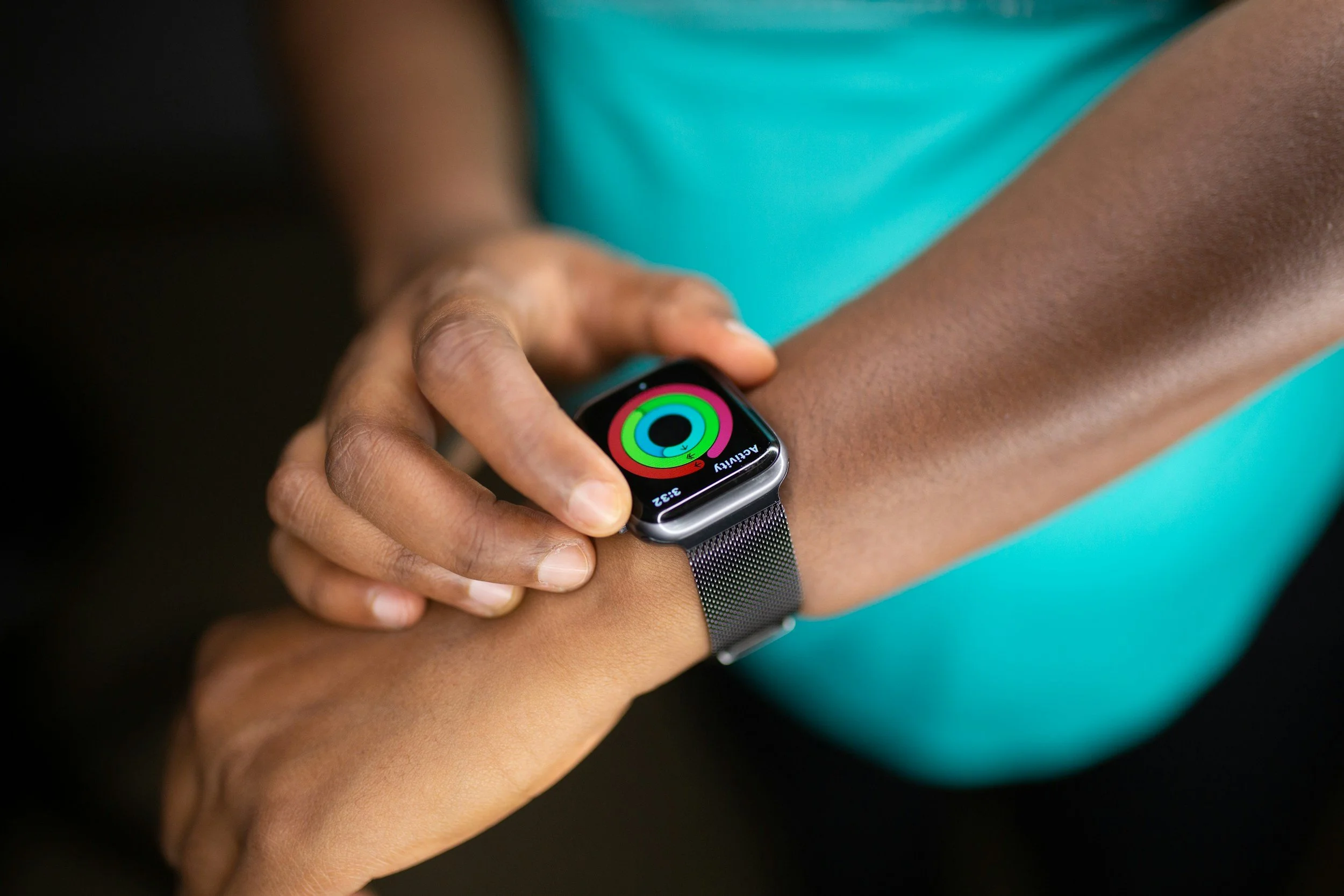
In the world of high-achieving professionals, sleep is often the first thing sacrificed and the last thing prioritised. Enter the rise of wearables, Oura, Apple Watch, Whoop, and others, promising to help you reclaim your rest, optimise your health, and even slow the ageing process. But with so much data at your fingertips, it’s easy to feel overwhelmed or even more stressed. So, what really matters when it comes to wearables and sleep tracking, and how can you use these tools to truly support your wellbeing?
Why Sleep Tracking Is Having a Moment
Sleep is the foundation of resilience, energy, and healthy ageing. Poor sleep isn’t just about feeling groggy, it’s linked to higher stress, increased inflammation (“inflammaging”), hormone disruption, weight gain, and even accelerated biological ageing. No wonder so many professionals are turning to technology to get their sleep back on track.
Wearable devices promise a window into your nightly rhythms. They track everything from total sleep time and sleep stages to heart rate variability (HRV), body temperature, and even blood oxygen. The question is: which metrics actually matter, and how should you use them?
The Science: What the Data Can (and Can’t) Tell You
Sleep Duration
Most important metric: Aim for 7–9 hours per night. Wearables are generally accurate at tracking total sleep time.
What matters: Your weekly or monthly average, not one-off nights.
Sleep Stages: Light, Deep, REM
Interesting, but not always 100% accurate. Consumer devices estimate these stages, but the real value is in noticing ongoing patterns, not stressing about the exact numbers.
What matters: Patterns over weeks; a persistent drop in deep or REM sleep may signal stress or lifestyle changes.
Heart Rate Variability (HRV)
Key marker for stress resilience and recovery. Higher HRV is generally better, but compare to your own baseline.
What matters: Your trend over time. A sharp, ongoing decrease may be a sign to slow down or check in with your health.
Resting Heart Rate
Indicator of recovery and cardiovascular health. Lower is usually better (within a healthy range).
What matters: Your average over time. A sudden, persistent increase could signal stress, illness, or overtraining.
Body Temperature & Respiratory Rate
Helpful for spotting illness or recovery needs. Even tracking changes related to your menstrual cycle (if you have one).
What matters: Changes from your personal baseline, especially if they last more than a day or two.
What Matters Most: Patterns, Not Perfection
It’s easy to get caught up in the numbers, but the real power of wearables is in the big-picture patterns. One bad night isn’t a crisis, but ongoing trends can help you identify what’s supporting (or sabotaging) your sleep and recovery.
However, if you notice a sudden, significant change, like a big jump in your resting heart rate or a sharp drop in HRV, that lasts for more than a night or two, it’s worth paying attention. These shifts can be early signs that your body is fighting off illness, reacting to major stress, or needing more rest. In these cases, your wearable is giving you a helpful nudge to check in with yourself and adjust your routine if needed.
| Metric | What Matters Most | When to Pay Attention |
|---|---|---|
| Sleep Duration | Weekly/monthly averages | Ongoing decrease |
| Sleep Stages | Patterns over time | Sudden, persistent drop |
| HRV | Baseline/trends | Sharp, lasting decrease |
| Resting Heart Rate | Average/trends | Sudden, lasting increase |
| Body Temp/Resp. Rate | Baseline changes | Persistent elevation |
The Pitfalls: When Data Becomes Stressful
Ironically, tracking sleep can sometimes make you more anxious, especially if you start to fixate on “perfect” scores or feel frustrated by numbers you can’t control. This is called “orthosomnia,” and it can actually disrupt sleep quality.
Remember: Your body’s signals, how rested you feel, your mood, and your energy matter just as much as your wearable’s report.
How I Use Wearables with Clients
In my coaching practice, wearables are a tool, not a judge. I use them to spot trends, celebrate wins (like improved HRV or more deep sleep), and identify small, science-backed tweaks that make a difference. It’s never about chasing perfect data; it’s about learning, adjusting, and supporting your unique biology.
And if you don’t have a wearable, there are plenty of other ways to tune into your sleep and wellbeing, like tracking how rested you feel, noticing your energy and mood throughout the day, and paying attention to simple habits. Technology can be helpful, but it’s not essential for making meaningful changes
Ready to Make Your Data Work for You?
If you’re ready for a more personalised approach, book a free discovery call and let’s create a sleep and recovery plan that works for your real life.
Sleep is one of the foundations of longevity. Let’s make your data work for you, not against you.